In 2024 I made a decision to read only science fiction for the entire year. I ended up reading 48 books.
Most of what I’d read before that year were popular modern titles, The Three-Body Problem, The Martian, that kind of thing. Good books, but I hadn’t spent much time with the writers from the era when science fiction was the thing people were reading, when the genre was at its peak. That changed when I discovered the SF Masterworks series, published by Orion since 1999, now over 200 titles deep. If you want to get into science fiction and don’t know where to start, just pick any SF Masterworks title. You won’t be disappointed.
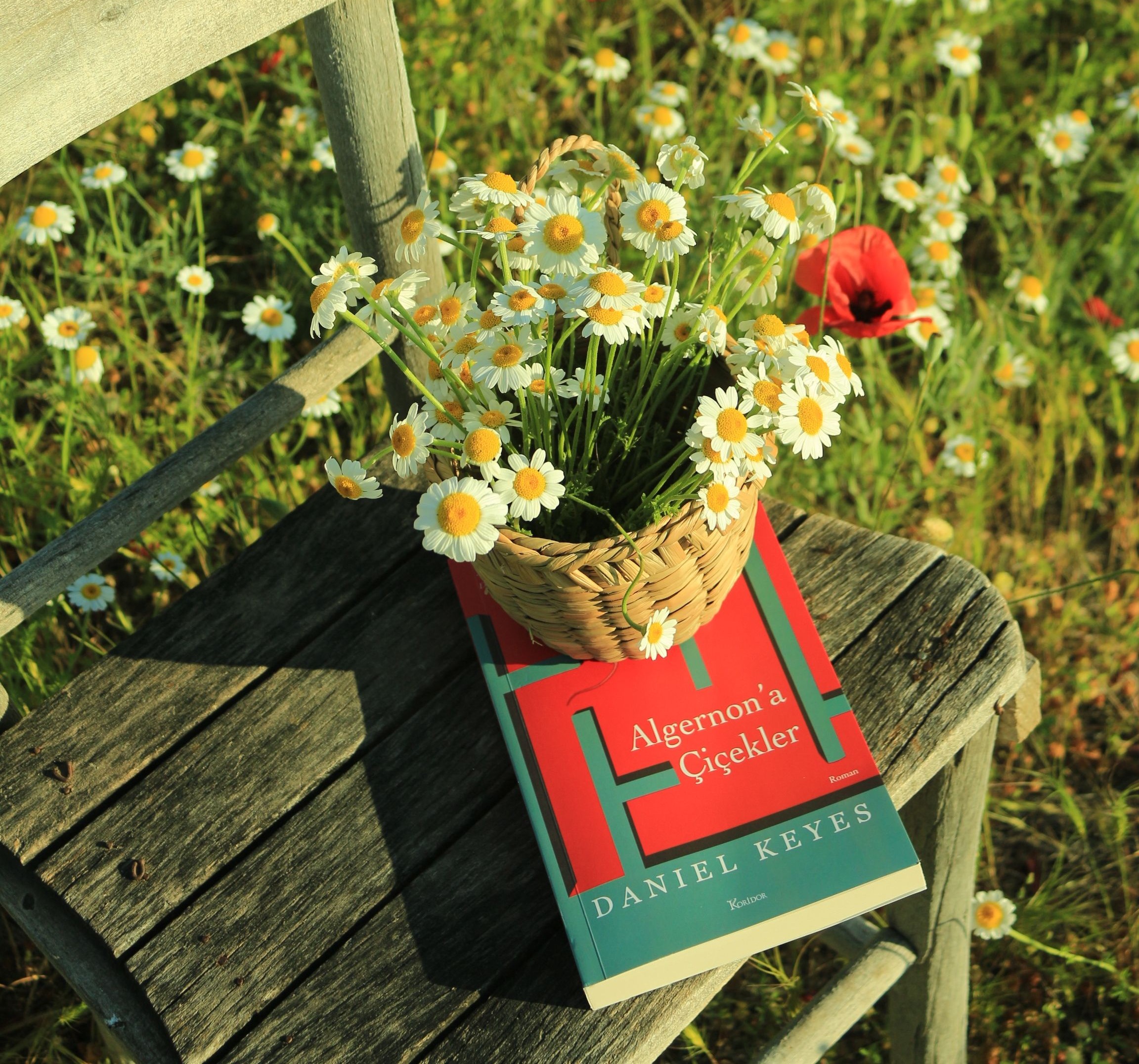
A few from that year have stayed with me. The Dispossessed and The Left Hand of Darkness by Ursula Le Guin, which permanently changed how I think about society and gender. The Stars My Destination, which reads like it was written last year despite being from 1956. And then Flowers for Algernon, which broke me in a way I didn’t see coming.
The novel follows Charlie Gordon, a 32-year-old bakery janitor with an IQ of 68, and Algernon, a laboratory mouse. Both become subjects in an experimental procedure designed to increase intelligence. The story is told through Charlie’s dated progress reports, journal entries he writes throughout the experiment.
What Daniel Keyes does with those entries is extraordinary. The early pages are barely readable. Spelling errors, fragmented thoughts, a childlike understanding of the world around him. As the experiment takes hold, the writing changes. Sentences become more complex. The vocabulary expands. Thoughts connect in ways they didn’t before. You don’t just read that Charlie is becoming more intelligent, you watch it happen in the prose itself.
As Charlie’s intelligence grows, something else happens. He begins to understand how the world has always treated him. The people he thought were laughing with him had often been laughing at him. The cruelty that was invisible to him before is suddenly visible.
And then, just as he begins to see the world clearly for the first time, the experiment starts to fail.
The writing begins to slip back. Slowly at first, then faster. You notice it before Charlie does. A word misspelled here, a sentence that doesn’t quite hold together there. The deterioration is happening on the page in front of you, not just in the story. By the end, you are reading the same kind of entries you read at the beginning, and the weight of that is almost unbearable.
I kept hoping I was wrong about where it was going. The helplessness of watching it happen — seeing the decline in the writing before Charlie sees it himself, still holding out that somehow it would turn around — that’s not something you forget quickly.
Knowing your own potential, briefly, and then watching it dissolve while fully aware of what is happening, there are few things more tragic in fiction.
The book also made me uncomfortable in a way I didn’t expect. Not about Charlie specifically, but about myself. About how privileged I am to have a life where society accepts me, where my intelligence and education open doors. Charlie isn’t a fictional invention, people like him are everywhere, living among us, and many of them are treated exactly the way the book describes. Their worth measured entirely by what they can contribute. If they can’t bring something to the table, they’re treated as less. Is that what we’ve decided humans are worth, only what they can do for others? And perhaps that’s exactly why Charlie agreed to the experiment in the first place. Not out of vanity, but out of a desperate need to be accepted, to matter, to finally be seen as someone worth knowing.
The book leaves a harder question sitting at the end of it. How far should science go in altering what someone is? Who decides what counts as a better version of a person? And if the improvement is temporary, was it worth it? Charlie doesn’t answer that. Neither does Keyes.
But the question that stayed with me is simpler and more personal. If you were given one day to see exactly what your life could have been had you used every bit of your potential, and then returned to normal, would you take it? Would you want to carry that memory, knowing what you left on the table? Or would you rather never know?
I’m not sure I would take it.
I kept thinking about Charlie long after I finished the book. Not because the story is dramatic or loud, it’s neither. But because it is painfully, precisely human.
One of the best things I read that year, and one of the best things I’ve read.