
In the winter of 1999 my family went on the first holiday I remember properly, and almost everything on it was new to me. The thing I remember most clearly, though, is a cassette. It was Taal, A.R. Rahman’s soundtrack for Subhash Ghai’s film, and it lived in the glove compartment of my uncle’s company car.
In my first twenty years I think I left the state four or five times, so when my father planned that holiday, when I was thirteen, it was a big deal. Hyderabad first, then Tirupati, Bangalore and Chennai before going back to Bhilai. I may have the order wrong. Somewhere along the way came my first burger, my first go-karting, my first film city and my first museum. I also refused to give my hair at Tirupati, which was probably the earliest evidence of a rebellious streak that has never entirely gone away.
We stayed with my father’s cousin and his family, in a flat, which was itself new to me. Nobody we knew in Bhilai lived in a flat in the 90s. You had a house and the house had a garden. I found the whole arrangement exciting and spent a fair amount of that visit riding the lift up and down for no reason beyond the fact that there was one. My uncle worked for Pepsi or Coca-Cola, I’ve never been sure which, and the job came with a company car and a driver. The car was a white Ambassador and it became our sightseeing vehicle for the next few days. There were five or six cassettes in the glove compartment, most of them in Telugu or Tamil. The only Hindi one was Taal.
My parents both listened to a lot of music and my father is a Rahman fan, partly for the music and partly because Rahman is from Tamil Nadu, where my father is from, and had made it big in Hindi films by then. I’d heard some of the songs on television already. The Taal cassette went into the player when we set off on the first morning and more or less stayed there. One side would finish, I’d press the button, it would come out, I’d turn it over and push it back in, and the other side would play. That was the routine for the three or four days we spent driving around the city. I couldn’t tell you now whether I was really listening. But it was playing every time we got into that car.
I remember the city far better than the songs. The Charminar had until then been a photograph in a history textbook, and there’s something disorienting about a monument you’ve only read about turning up in front of you at full size. Then there was the Buddha standing in the middle of Hussain Sagar, and the Salar Jung Museum, which I liked enough that we went back the next day and did it again.
I’d always liked history but never got to study it properly at school. That museum was the first time I understood it wasn’t only a thing printed in books. There were paintings large enough to take up a whole wall on their own, and stone carved so finely that it stopped behaving like stone. One of them was the Veiled Rebecca, a white marble woman whose veil has been cut so thin it looks like you could see through it. I stood in front of that one for a while. Almost every city I’ve been to since has involved finding the museum if I could manage it, Moscow and Mumbai and Kolkata among them, and I think the habit started in Salar Jung.
The part I remember best came on the day we left. Everyone was in the Ambassador and ready to go when my father asked where the Taal cassette was. The driver said somebody had carried it up to the flat the previous evening. My father turned round and told me to go and get it. I remember being pleased about it. It was a job, and at that age a job of that kind is a quest. I went up, found it, brought it down, and that is the clearest single image I have from the entire holiday.
It wasn’t ours. It went back into my uncle’s glove compartment when we left and I never saw it again. One of the first things my father did once we were home in Bhilai was buy his own copy, and it went into the Philips player we’d had since the early 90s. I listened to it when it was on but never put it on myself, because cricket was considerably more interesting than music back then. My favourite song on it is Nahin Saamne Yeh Alag Baat Hai, though it took me years to work that out.
If you’d asked me at the time what I’d remember from that holiday twenty-seven years later, I wouldn’t have said the cassette. It was only the soundtrack. But it’s the thing everything else hangs on now: the white Ambassador and Hyderabad going past the windows, the Charminar, the museum, the novelty of a flat with a lift in it, the endless flipping from one side to the other, and being sent back upstairs to fetch it.
My memories tend to come back through objects like that, which is one reason I’ve always been attached to them. The other reason is control. Most of what shapes a day is out of my hands, so I’ve filled the edges of it with things that aren’t. I brew coffee in a moka pot or a French press rather than buying a machine that takes pods, and I reach for the mechanical watches far more often than the quartz one, which would keep going whether I turned up or not. Press the button and a cassette plays. Press it again and it stops. Pull the crown on the Mido Ocean Star and it stops and waits until I push it back in, which feels a little like stopping time, even though everything else carries on.
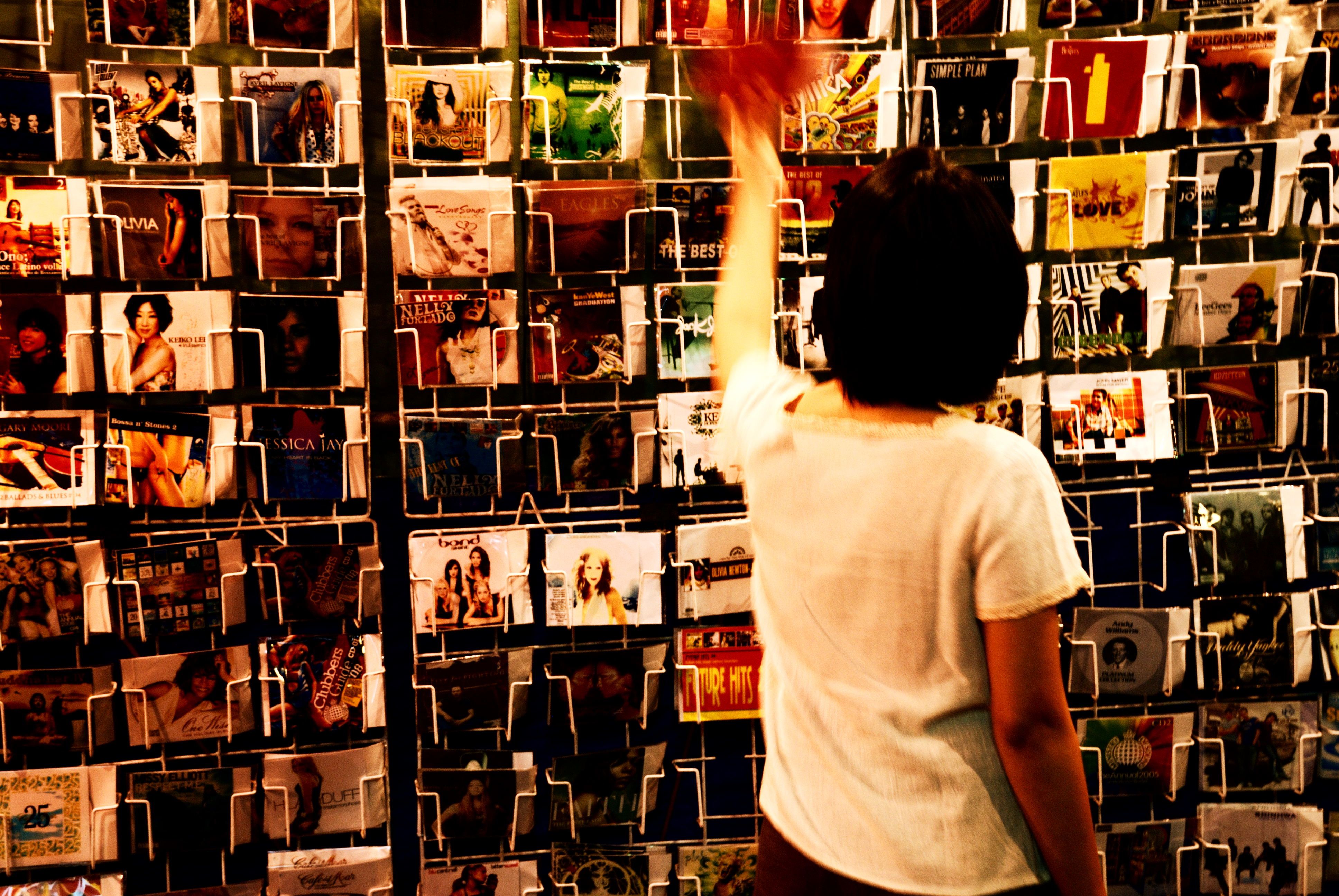
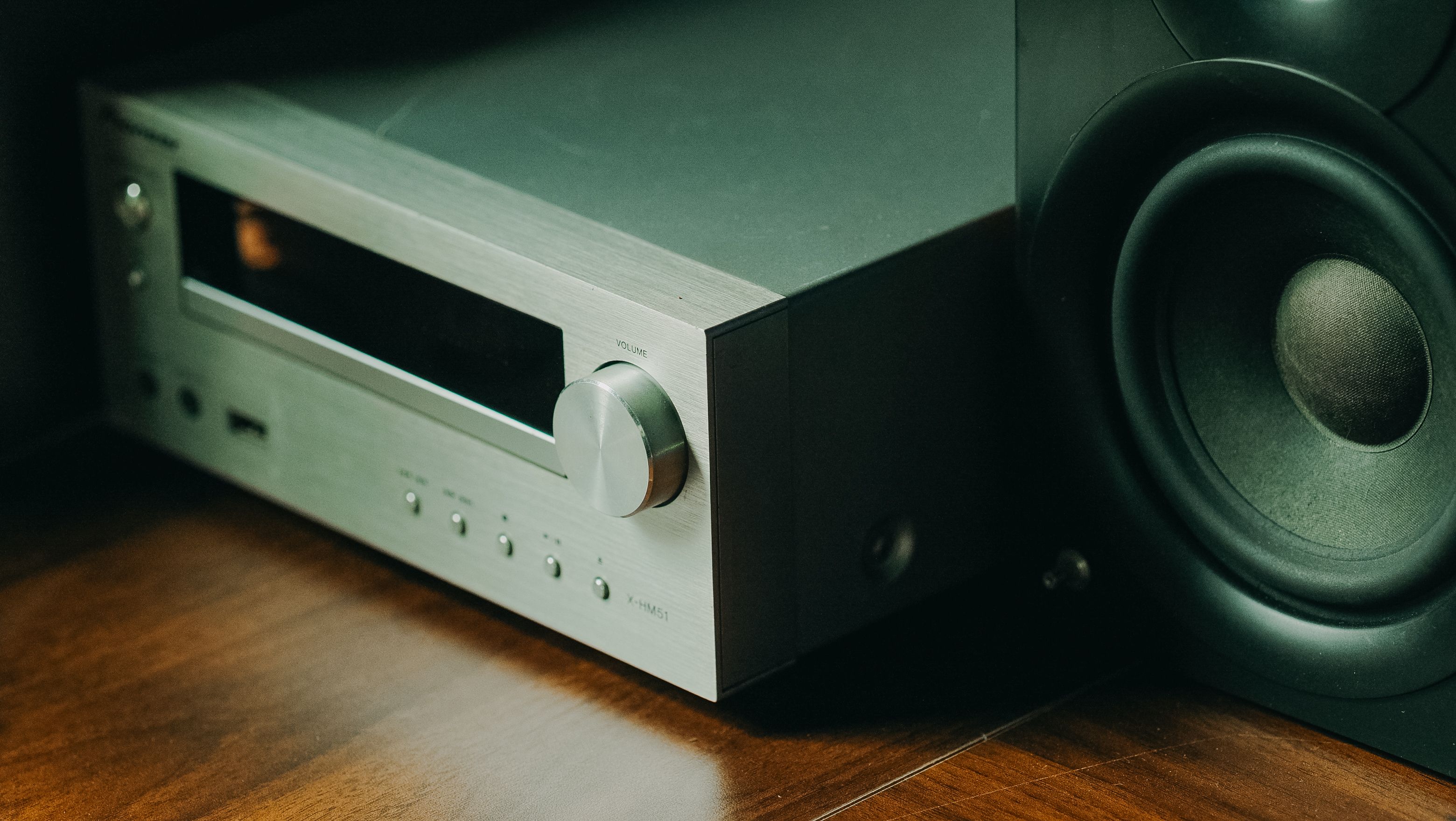
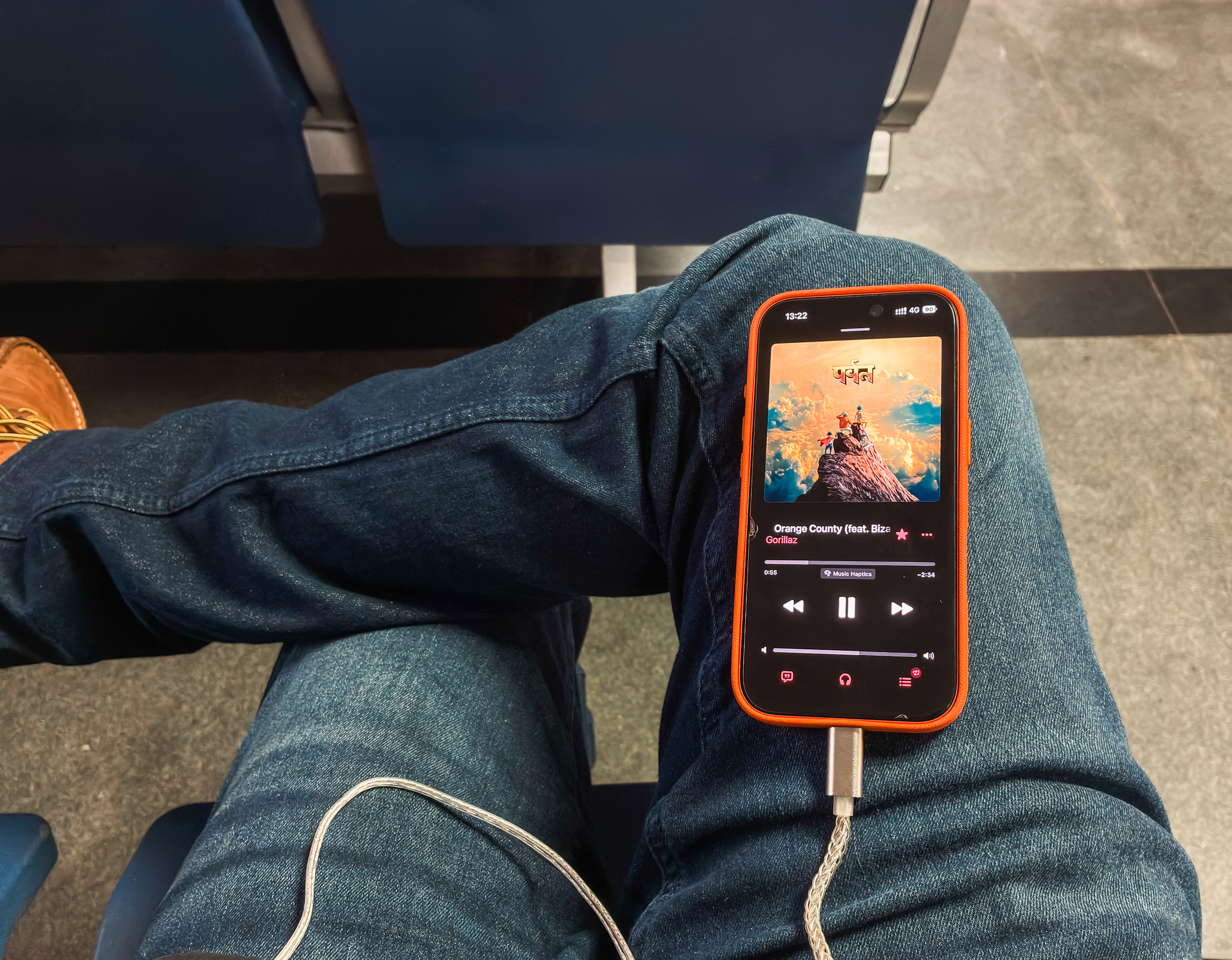
Control is also why I’ve been thinking about buying a turntable for a while now, which makes very little sense in a world of streaming and lossless files. I’d like the choosing back. A playlist assembled for me by something that has been watching what I listen to isn’t the same as building one myself, a record at a time, and paying for each one. We had a record player at home when I was small, with a large collection to go with it, but it was played so rarely that I’ve forgotten what it sounded like. The needle for that model wasn’t available anywhere, so it sat there while music systems arrived in every other house and made it less worth fixing every year. A few years after my grandmother died, my father gave the player away along with every record in it. He kept the speakers, big, well-made wooden ones that still worked, and they later ended up wired to my CD player.
Their other machines fared better. The Philips cassette player is still in that house, working as a radio, and my mother carries a small transistor around with her as well, which usually ends up on the windowsill by her bed playing Vividh Bharati while she scrolls through Facebook. She has kept boxes of things for reasons my brother and I have never established, and my father’s copy of Taal is almost certainly in one of them. Watching these things survive, and in some cases outlast the CD players that were supposed to replace them, is a good part of why I keep leaning back towards objects that do one thing and nothing else.
None of this makes 1999 a better year to be alive. It was a simpler one, though. If you wanted a song, you pressed play, and if you wanted the other side, you turned the cassette over. Now there’s an app in the middle of almost everything, and each one has an opinion. Zomato tells me what to eat, Instagram tells me what to wear and buy, and the reels have already decided where I should go. If my father’s Taal is in one of the boxes my mother has kept all these years, put it in the Philips and it should still play, without asking for my date of birth, my email address or anything else it has no business knowing.