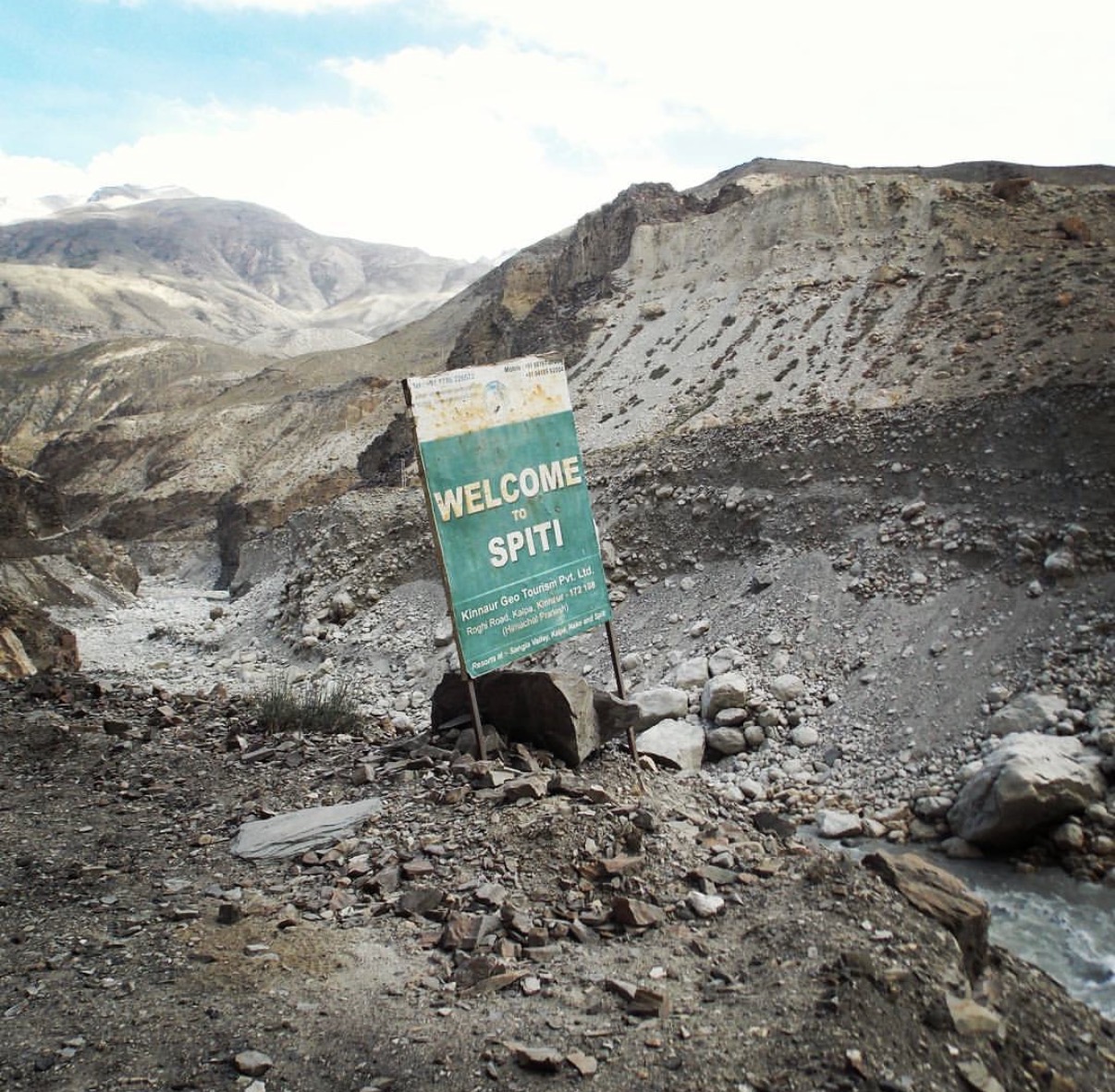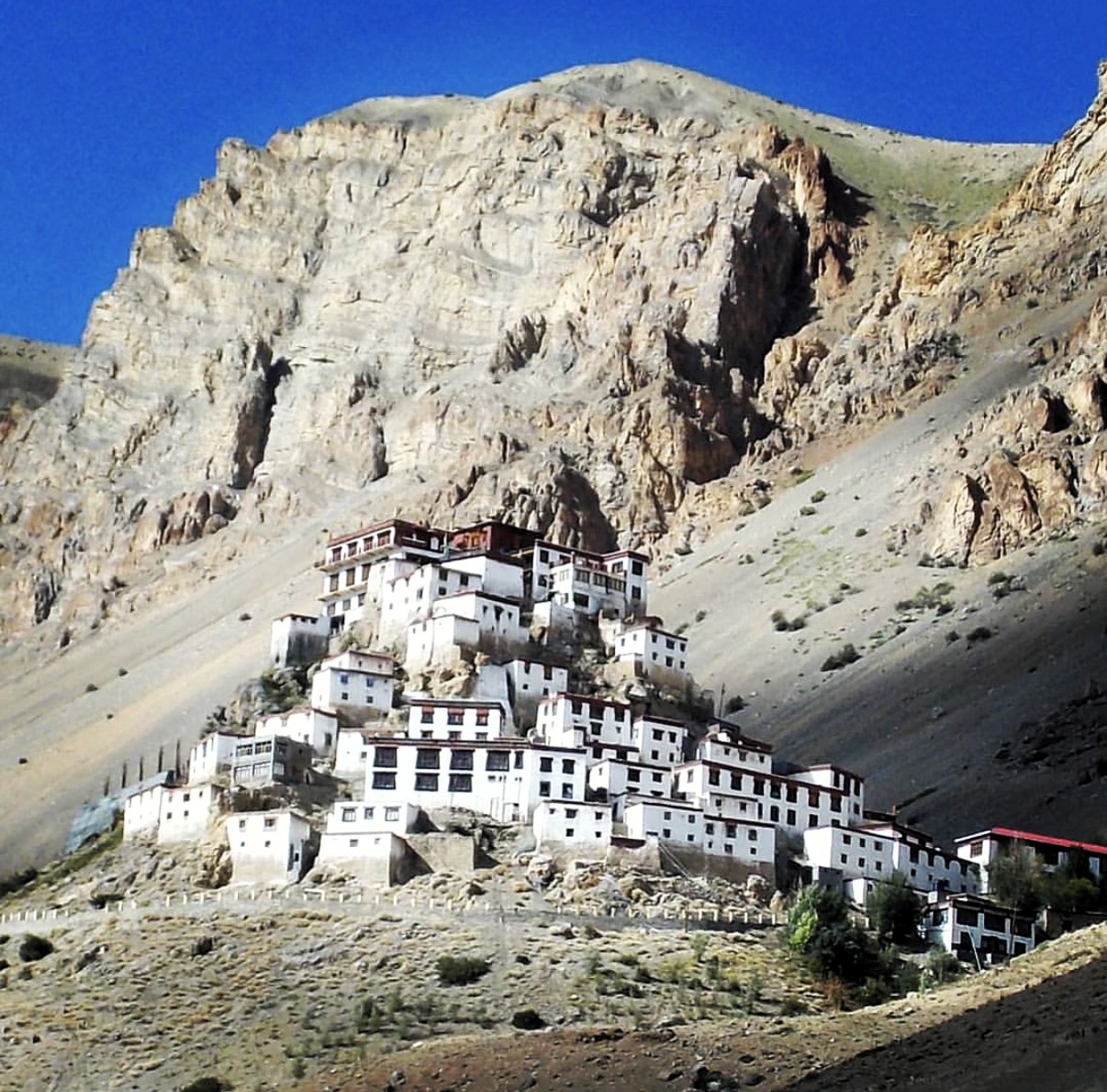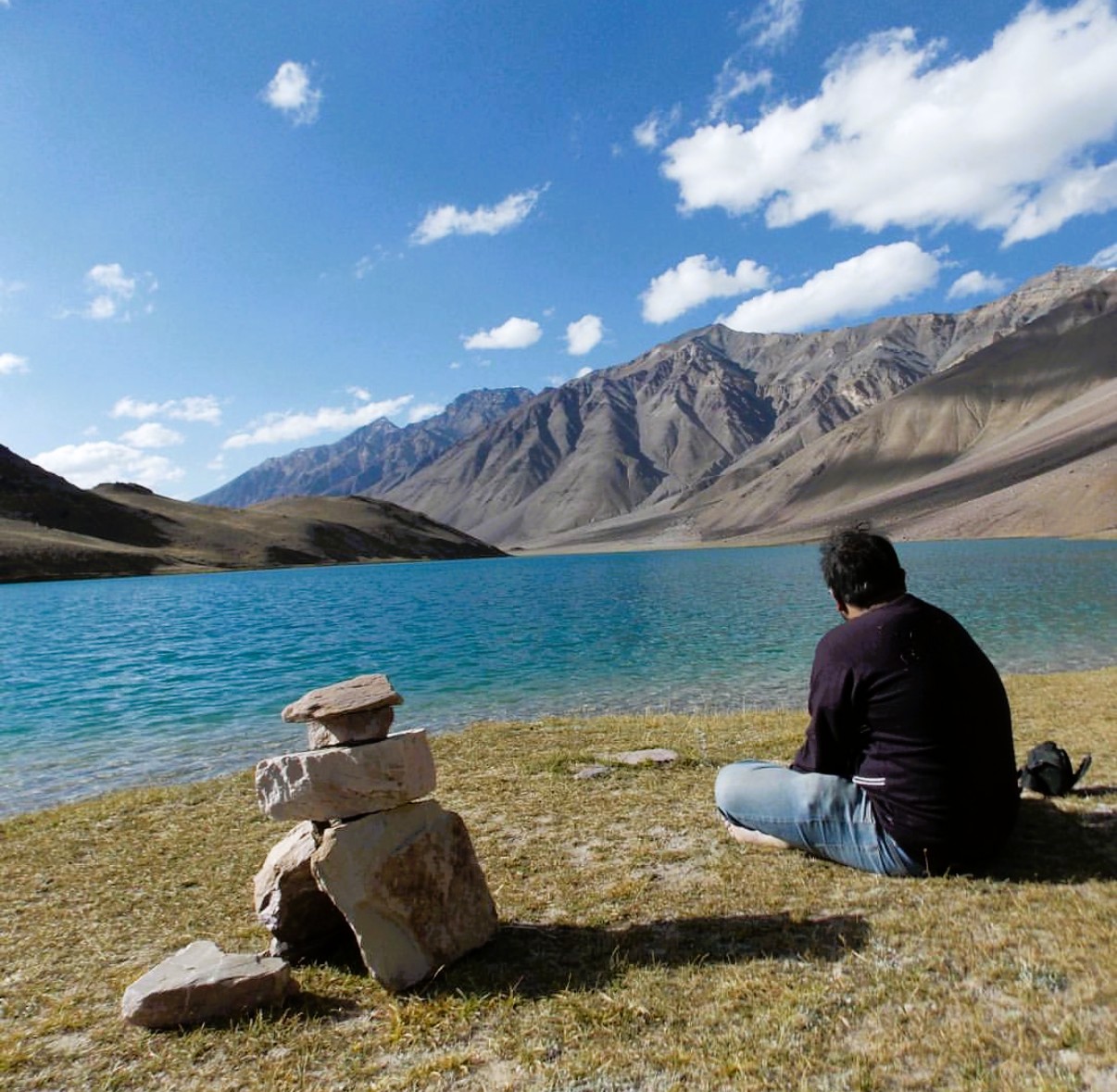
The night at Chandratal was rough. Strong winds hit the tent from every direction, the kind that make you lie there wondering if the whole thing is going to lift off the ground. Sleep at that altitude is never deep, you drift off and then you’re just awake again, staring at the canvas. I woke up at 4 and had no interest in stepping outside into the dark and the cold, so I lay there until first light.
When it came, I got up, pulled on my jacket, and walked out.
The cook was already up, starting a fire for breakfast. I walked straight to the stove and stood there with my hands out, absorbing as much heat as I could. A bucket of water nearby had frozen solid overnight. I went to check on the Bullet, and a thin film of ice had formed on the tank and the seat. I crossed my fingers and hoped it would start when we needed it to.
Slowly the rest of the camp came alive. Tent zippers opening, people stretching in the cold morning sun. The Bengali trekkers, the bikers group from Kerala, a couple of families, and an Israeli couple who had arrived in a minivan and were now dealing with a flat tyre. The guy came around asking if anyone had a spare tube. Nobody did, you carry spares for your own vehicle, and that minivan had different sized tyres. When we told him we didn’t have one, he looked at us and said, how are you riding without spares? We didn’t quite know how to respond to that. A couple of hours later we watched him drive away with the flat tyre still on, flapping against the gravel as he went.
We had aloo paratha and tea for breakfast, sitting outside in the sun, letting our bodies warm up before the ride ahead. We said our goodbyes and kicked the Bullet alive. It started first try.
The road from Chandratal back toward Manali was just as rough as the way in, but something had changed. A week earlier those roads would have felt punishing. Now they just felt like roads. We made quicker work of it than we expected, partly because we were used to it, and partly because we were riding away from the best of it. The landscapes were getting greener, the air warmer, and the sense of remoteness was slowly draining out of the ride.
We reached Manali around 3 PM. After days of near-total silence in Spiti, the noise hit first. Everyone was talking, music from shops, honking, the general hum of a tourist town in full swing. The people weren’t the problem, it was the volume of everything. We had spent nearly two weeks where the loudest things around us were the river and the wind, and Manali felt like someone had turned all the dials up at once. We checked in, walked Mall Road, picked up souvenirs for friends and family, and called it an early night. That evening we had white rum and good oily food, the kind we hadn’t eaten in days. It was welcome, but something felt slightly off, like we were already halfway out of the trip without being ready for it.
The next morning we stopped at Vashisht on the way out of Manali, just 4 or 5 kilometres from the centre. Hot springs, and a place I had been before. In 2011, with a core group of friends on a Manali holiday. One of my favourite photographs is from that visit — five of us, young, ambitious, hopeful, all standing together with no idea what the next decade would look like. Sitting in those same springs four years later, fresh off twelve days through Spiti, I felt the distance between those two trips more clearly than I expected.
We left Vashisht and the trip was winding down and neither of us was ready for it to end. We were like kids in a candy store who know the shop is about to close, one more road, one more place, one more reason to not point the bike toward Shimla just yet. Somewhere on the way we remembered Malana. A village hidden high in the mountains near Kasol, supposedly one of the oldest democracies in the world, its people said to be descendants of Alexander the Great, with its own laws where outsiders are considered untouchable and fined just for touching things. We had read about it for years. The turn toward Kasol was right there. We took it.
Right at the turn, near Bhuntar, the Parvati meets the Beas, and we stopped at the sangam. A man was parking his bike by the road, about to start the walk up the hill to where he stayed. He was an engineer at a hydropower plant, and we got talking. He seemed a little frustrated. “You’re here for two weeks,” he told us. “That’s enough to enjoy it. Nobody can stay in these mountains for long. They take a toll on you, because everything is difficult. Look at me. I have to climb up and down this hill just to get home.”
The road was beautiful. Tall pines, cool wind, the kind of gentle scenery that felt like a different country after the arid landscape of Kaza. When we arrived we stopped at a café and asked about getting to Malana. The owner looked at us and said nothing. We asked someone else. The answer was blunt, long trek, not guaranteed entry, probably not worth it. We weren’t in the mood to gamble a full day on a maybe. We dropped the plan.
Someone pointed us toward Manikaran instead.
Manikaran is a gurudwara in the Parvati Valley, built at the edge of the river with hot springs all around it and mountains on every side. The food in the langar there is cooked entirely using geothermal heat from the springs, no fire, just the earth doing the work. We parked, went inside, offered our prayers, and sat for langar. Simple food, served with complete indifference to who you are or where you came from.
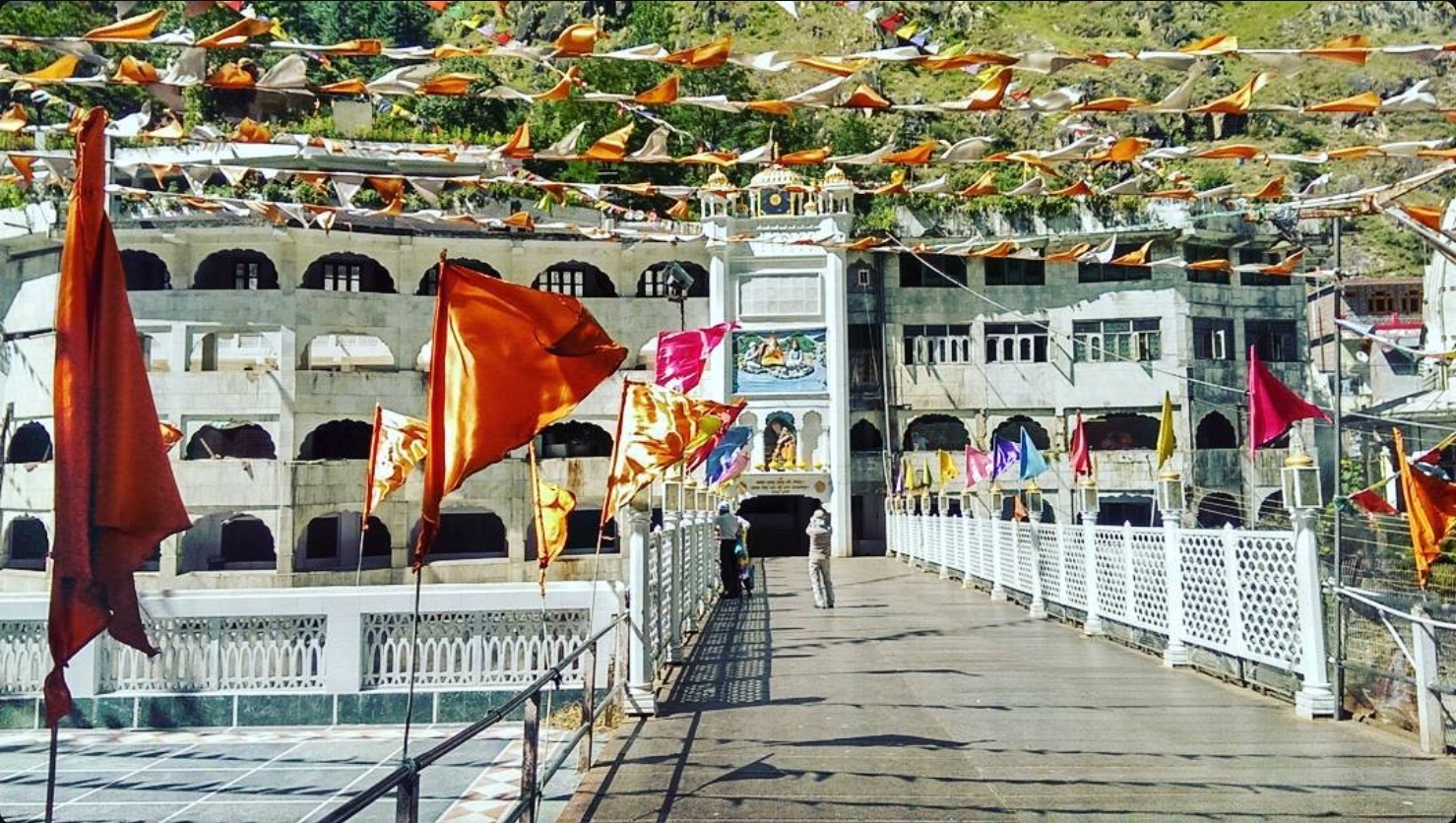
While we were walking around afterward, my friend noticed a delivery truck unloading sacks of food near the kitchen. A few sevadars were carrying them inside. Without saying anything, he walked over and started helping, making trip after trip. Nobody asked him to. Nobody paid him. That’s the nature of seva at a gurudwara, you see something that needs doing and you do it.
The roar of the Parvati River, the Gurbani coming from the speakers, steam rising from the springs, mountains surrounding it all, none of it was on the plan. It turned out to be one of the best stops of the entire trip.
We rode back to Kasol and checked into a riverside hotel. That evening, sitting by the river, the reality of what was ending started settling in. The mountains, the roads, the cold, the silences, all of it was almost over. There was relief in that, we were genuinely tired. But there was something else too, the specific ache of leaving a place not knowing when you’ll see it again, or whether the version of you that comes back will feel the same things.
The next morning we rode from Kasol to Shimla, and somewhere on that last leg we finally got to eat an apple. It remains one of the best I’ve ever had, fresh and juicy, the kind we hardly get in the cities. By the time we arrived, the Bullet was finished. The brakes were almost gone, the front forks were leaking, the rear indicator had been knocked out somewhere on the road. It had carried two grown men across twelve days and some of the worst roads in the country without giving up. We rode it to the rental shop and handed it back. The owner looked it over, checked the damage, and didn’t take too much from the deposit. Decent of him.
We found a hotel near Mall Road and walked around Shimla that evening. By pure chance we ran into an old friend from college, someone we hadn’t seen since graduation. That kind of coincidence feels different when you’re at the end of a trip like that. We had dinner at Indian Coffee House. It was nowhere near as good as the one in Bhilai. And at some point during the evening, a monkey walked up and took the softy ice cream right out of my hand.
The next afternoon we boarded the bus to Delhi. Twelve days, one rented Bullet, and roads we still talk about ten years later.
We didn’t fully understand what we’d done until we got back and people started asking about the trip. When they did, we told it in full — the roads, the no bookings, the no network, the spare petrol can. By the end of it they were usually stunned. We put it down to Bhilai at first, thinking maybe people here just don’t do things like this. But when my brother told the story to his colleagues in Bangalore, the reaction was the same. Turns out not many people anywhere do things like this. We hadn’t thought of it that way while we were doing it. You rarely do. It’s only when someone else hears it that you realise what it actually was.